

Plant Diversity Co.
All Blends
Annual, biennial and perennial multi-species cover crop blends.
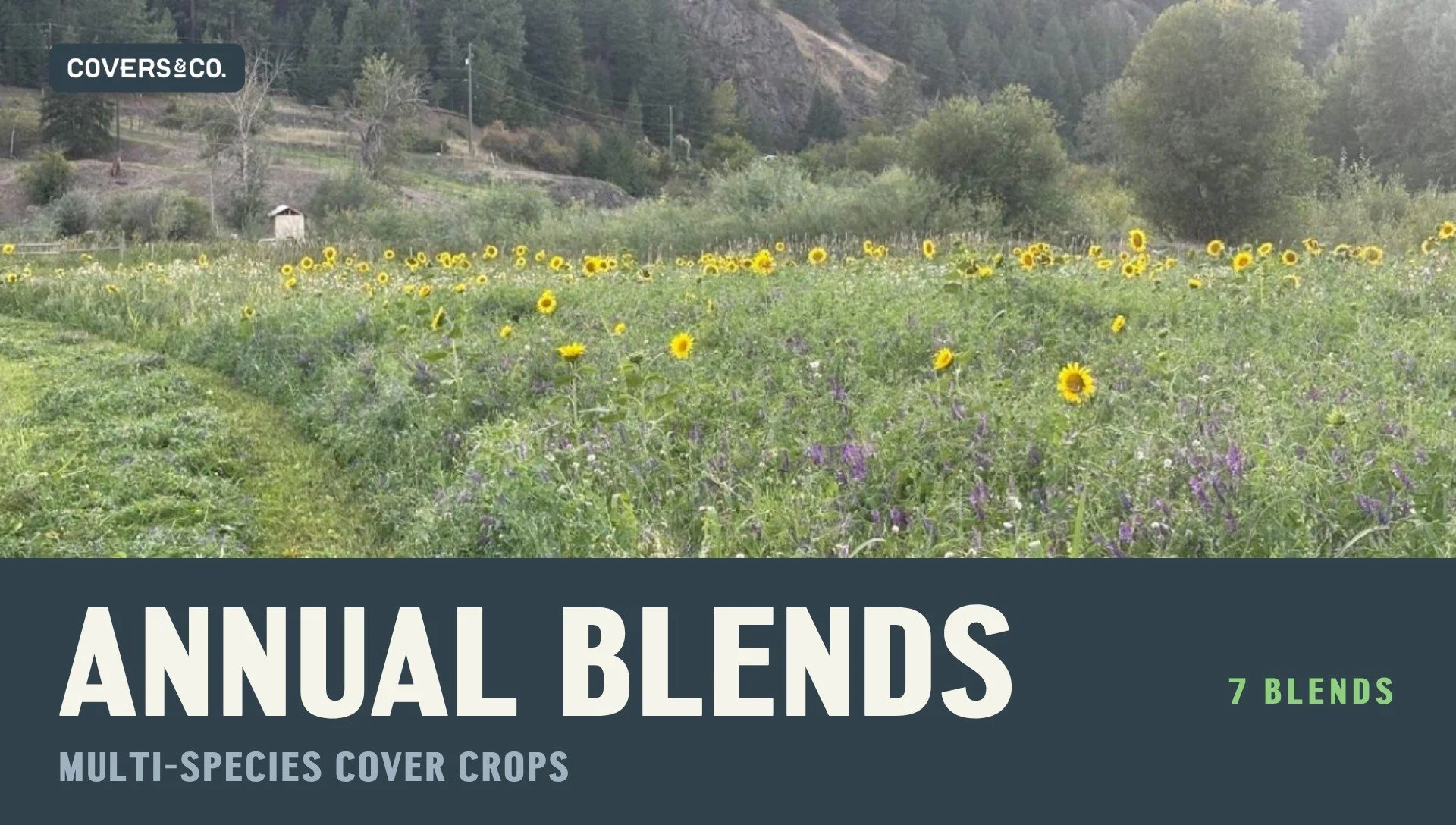
Definition: An annual plant completes its entire life cycle within one growing season. Annual plant species will not overwinter.
Annual Cover Crops
Starter Cover (Low Cost Option)
Full Season Cover (Most Popular)
Warm Season Cover
Dryland Cover
Herbicide Option Cover
Complete Hay Cover (Specialty)
Forage Soybeans LS
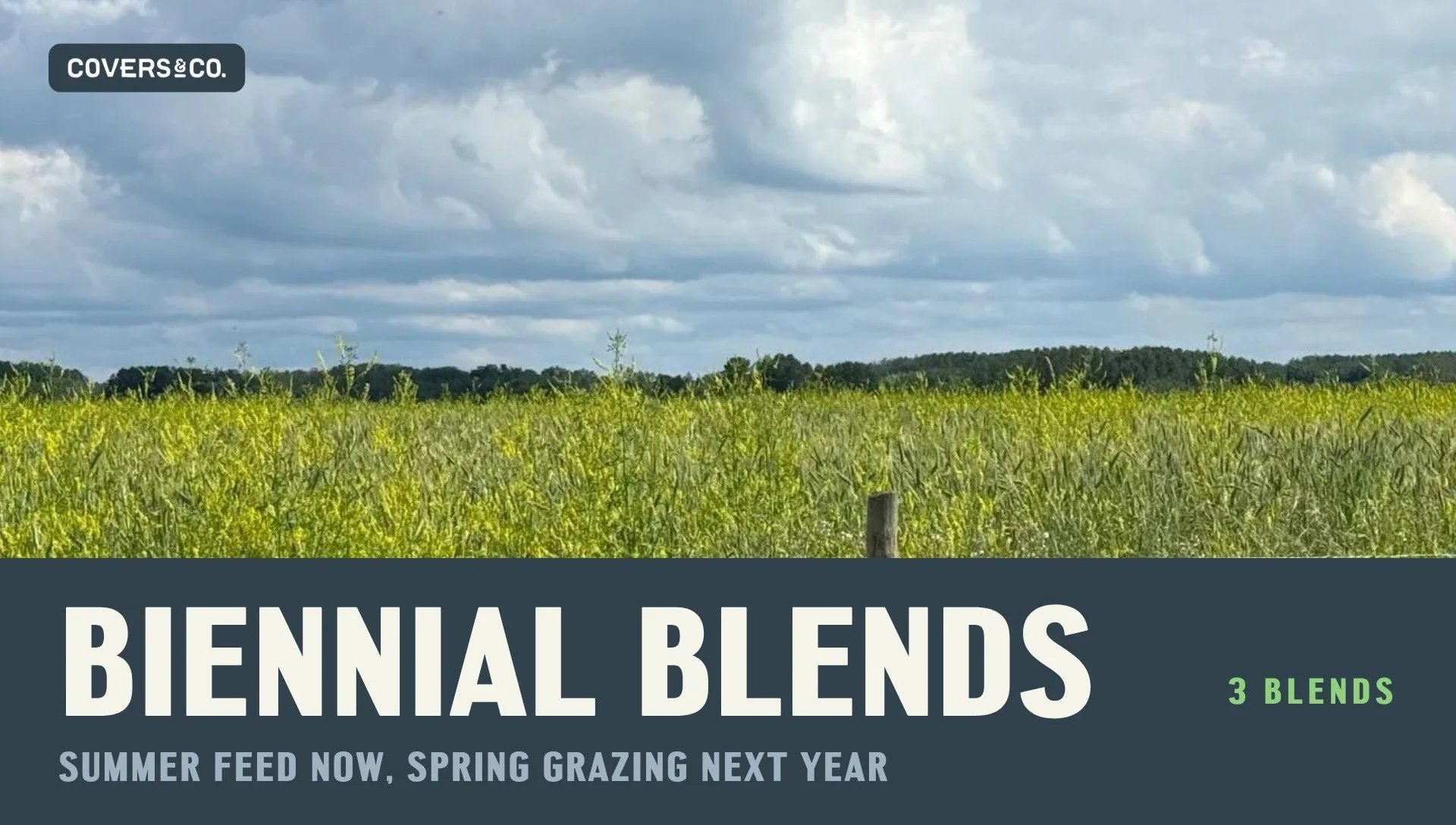
Definition: A biennial plant completes its entire life cycle in two years. Biennial plant species will overwinter. (Over-wintering will depend on winter conditions)
Biennial Cover Crops
Full Season Cover (Overwinter)
Starter Cover Overwinter
Fall Seeded Cover
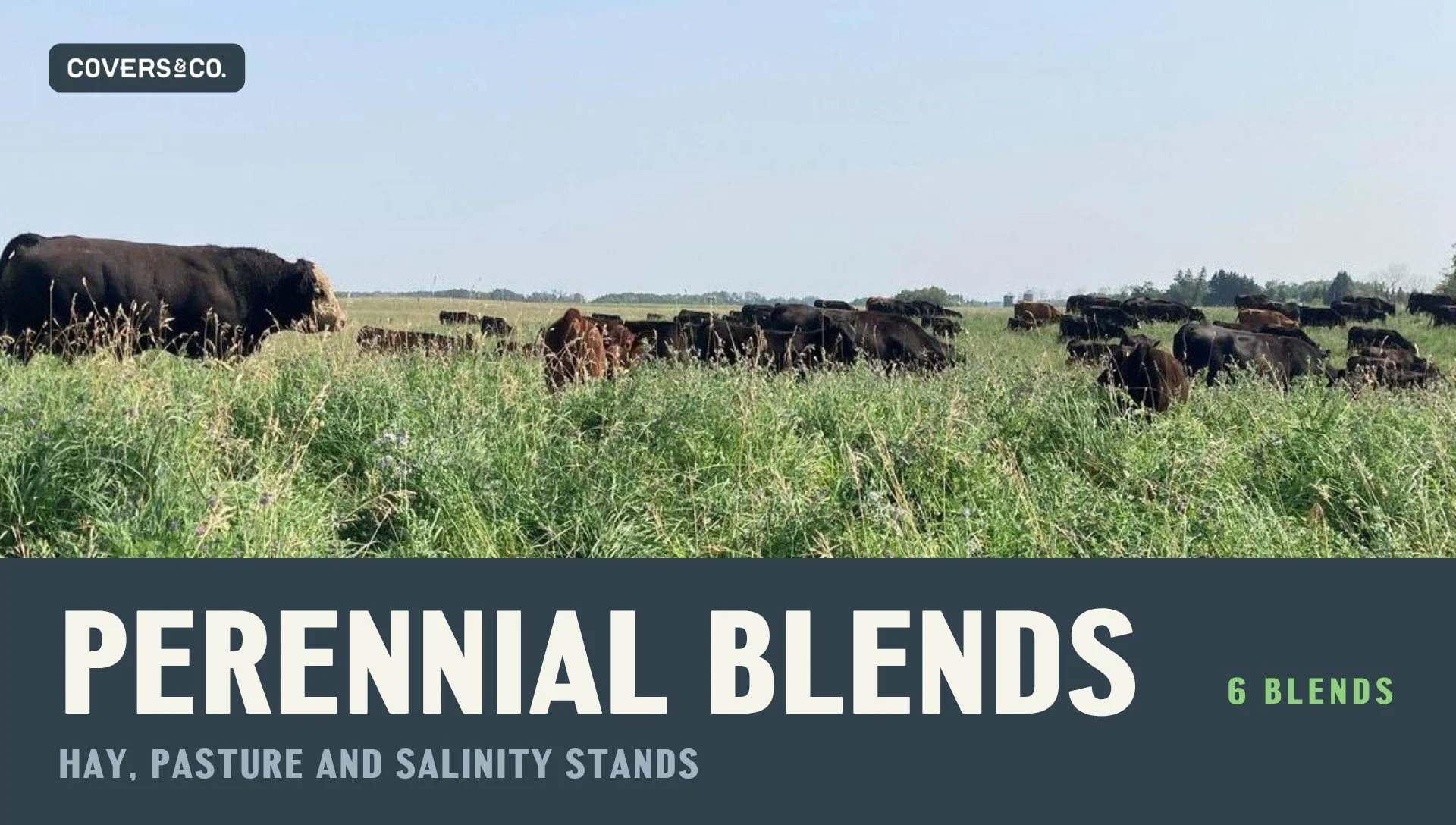
Definition: A perennial plant is capable of continuous life cycles over multiple years. Perennial plant species will overwinter year after year.
Perennial Cover Crops
Light Land Hay Cover
Heavy Land Hay Cover
Salinity Cover
Pasture Cover
Rejuvenation Cover
Alfalfa Cover

Why Plant Diversity?
Multi-species vs. monocultures
Monoculture Environment: plants are all competing for the same sunlight, moisture & nutrients - all at the exact same time. This is competition.
Multi-Species Environment: Plants are forming symbiotic relationships with rhizobium bacteria, mycorrhizal fungi, and other soil micro-organisms to fix, solubilize & share nutrients (and water). This is collaboration.
Image: Competition vs. Collaboration
Why Plant diversity
Access free minerals
With 96% of a plant composed of sunlight & water, implementing plant diversity on the farm maximizes sunlight capture (photosynthesis) & water infiltration.
Carbon: 45%
Oxygen: 45%
Hydrogen: 6%
This 96% is free from the atmosphere through sunlight & water.
Source: Texas A&M University. AgrLife Extension

Why Plant Diversity?
An Insurance policy w/ mother nature
A blend of warm & cool-season plant species provides an insurance policy with Mother Nature. If hot/dry conditions are present, warm-season plant species will accumulate biomass. If cool/wet conditions are present, cool-season plant species will accumulate biomass.
Warm Season Plants (C4) have evolved in hot/dry environments.
Cool Season Plants (C3) have evolved in cool/wet environments.